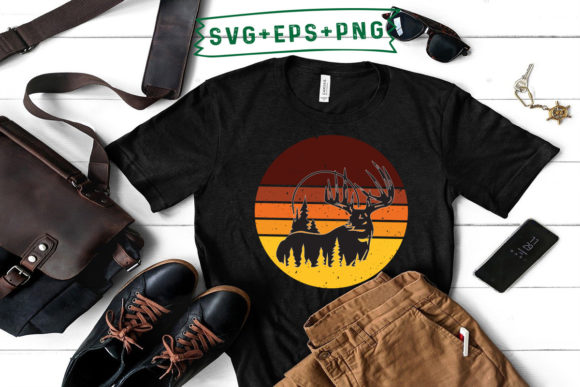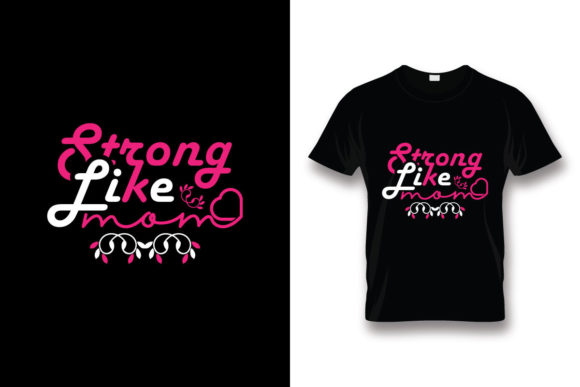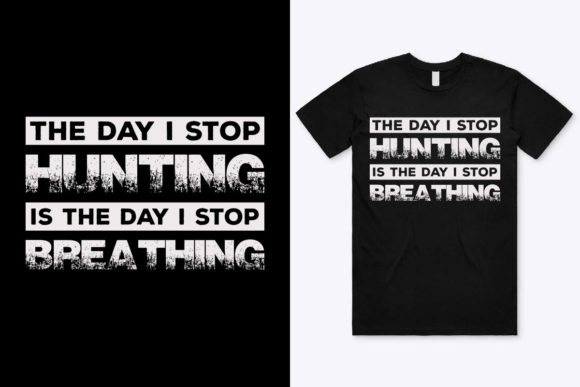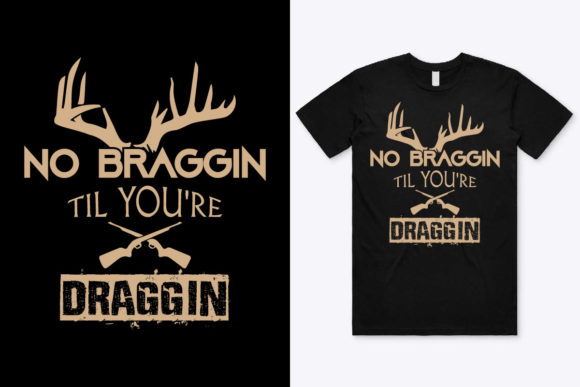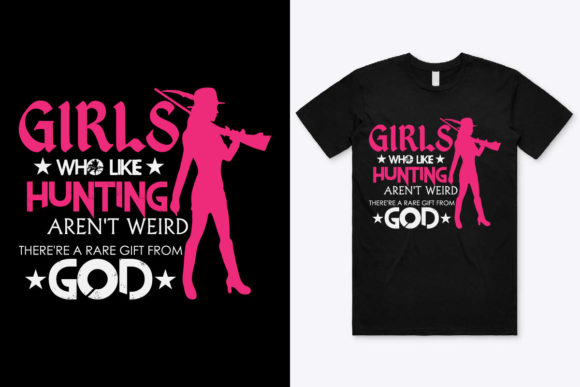
Girls Who Like Hunting T-Shirt Design
As a designer who’s stitched hundreds of custom apparel pieces—from boutique sweatshirts to embroidered baby onesies—I opened Girls Who Like Hunting T-Shirt Design expecting boldness, but what stood out first was its quiet confidence. It doesn’t shout “huntress” with aggressive fonts or cluttered motifs. Instead, it balances rustic charm and modern femininity: clean linework, intentional negative space, and a central emblem that reads clearly at 3–4 inches wide—ideal for chest placement on tees, totes, or aprons.
I tested it last week on a heavyweight cotton twill tote bag for a local outdoor gear shop’s spring launch. The design scaled beautifully from 2.8" to 4.2" without losing legibility. No pixelation in the SVG, no jagged edges in the EPS—critical when you’re prepping files for both embroidery digitizing and print-on-demand mockups. As a Print Templates asset, it bridges digital and physical workflows seamlessly.
Where This Design Shines—and Where It Needs Thought
Girls Who Like Hunting T-Shirt Design works best where authenticity matters more than flash: women’s hunting clubs ordering matching caps, small-batch aprons for farm-to-table cafes, or personalized baby onesies for families who spend weekends tracking deer trails—not as costume, but as identity.
- Custom apparel: Crisp on midweight cotton tees and fleece-lined sweatshirts—especially with satin-stitch outlines and moderate fill stitch density. Avoid ultra-thin tri-blends unless you reduce stitch count manually.
- Embroidered patch: Excellent candidate for heat-seal or sew-on patches. Its balanced proportions hold up well in 2.5"–3.5" hoop sizes, and the clean lettering resists thread nesting.
- Baby embroidery: Works on bodysuits and bibs if simplified slightly—trim minor interior details (like subtle leaf veins) to prevent tiny stitches from popping on delicate seams.
- Holiday embroidery: Surprisingly strong for fall-themed gifts—think flannel pillow covers or kitchen towels. Paired with burnt orange or olive thread, it feels grounded, not gimmicky.
Fabrics That Demand Extra Care
This isn’t a one-size-fits-all machine embroidery design. On stretchy fabrics like performance knits or lightweight jersey, the outer shape holds, but fine interior lines (e.g., antler texture or script flourishes) can blur without proper cutaway stabilizer and reduced top tension. I’d skip it on ribbed knit caps entirely—the curvature distorts the horizontal balance of the text block.
Dark fabric? No problem—if you use high-contrast thread (ivory, cream, or light tan) and test stitch density first. Dense fills look rich on black canvas, but overfilling can cause puckering on softer weaves like brushed cotton. For textured fabrics—burlap, linen blends, or terry cloth—stick to running-stitch outlines only, or convert inner elements to applique design layers.
What It Does for Your Craft Business
As an Etsy seller or small shop owner, Girls Who Like Hunting T-Shirt Design adds quiet credibility. It doesn’t scream “trend”—it whispers “I know my audience.” Customers browsing handmade products respond to sincerity, not saturation. When stitched cleanly on a heavyweight tote, it reads as intentional, not ironic. That builds trust faster than any sales copy.
It also supports brand consistency. Whether you’re selling embroidered patches, printable mockups for your own shop listings, or finished products, this Graphics file adapts without looking generic. The AI and EPS files let you adjust spacing for different garment zones—tighten kerning for cap fronts, expand width for back-of-jacket placements.
Practical Embroidery Designer Notes
Before stitching your first finished product, do these five things:
- Test on scrap fabric—not just the same fiber, but the same weight and finish you’ll use. A 60% cotton/40% polyester blend behaves differently than 100% ringspun cotton.
- Check thread color contrast in natural light. What reads bold on screen may fade on oatmeal linen or heather grey.
- Review stitch density in your embroidery software. If the original file wasn’t digitized for stitch, open the SVG in your vector editor and simplify any overlapping paths before importing.
- Confirm hoop size compatibility. The layout fits comfortably in a 4" x 4" hoop—but if you’re using a 3.5" frame for baby items, scale down *before* digitizing, not after.
- Inspect small details under 10x magnification in your preview window. Tiny serifs or tight corners often vanish in fill stitch unless adjusted manually.
Also: run a black-and-white mockup. Does the silhouette still read? Try it against light and dark backgrounds. And always verify licensing—since this is a digital embroidery file, confirm whether resale of stitched items or redistribution of edited files is permitted before listing on your craft business site or marketplace.
Final Thought: It’s Not Just a Design—It’s a Conversation Starter
I’ve seen customers pause at market booths, point, and say, “That’s *us*.” That’s the power of Girls Who Like Hunting T-Shirt Design—it lands because it respects its audience. It doesn’t caricature; it connects. Used thoughtfully, it elevates a simple tote into a statement piece, turns a holiday gift into a keepsake, and gives small shop owners a quietly powerful design asset.
Just remember: even the strongest embroidery file depends on your judgment. Let this design guide your choices—not replace them. Stitch intentionally. Edit mindfully. And when in doubt? Hoop a scrap, load the thread, and see what the machine says back.